What Is Follow-On in Test Cricket
What Is Follow-On in Test Cricket?
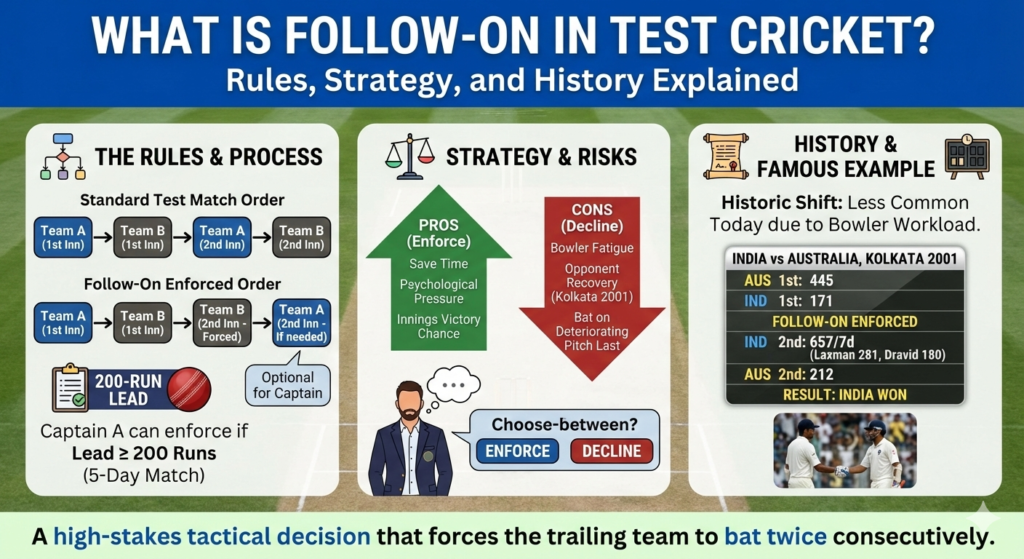
The follow-on is a rule in Test cricket that allows the team batting first to make the opposing team bat again immediately—without the first team batting a second time.
In simple words, if Team A bats first and scores a big total, and Team B falls far behind in their first innings, Team A can ask Team B to bat again straight away. This puts pressure on the trailing team and can help force a win.
When Can Follow-On Be Enforced?
The follow-on is not automatic. It can only be enforced under specific conditions set by the laws of cricket.
Follow-On Rule (Runs Required)
A follow-on can be enforced if the team batting second is behind by:
-
200 runs in a 5-day Test match
-
150 runs in a 4-day Test
-
100 runs in a 3-day Test
-
75 runs in a 2-day Test
If the required run difference is met, the captain of the team batting first decides whether to enforce the follow-on or not.
Who Decides the Follow-On?
The captain of the team batting first makes the final call. Even if the conditions are met, the captain may choose not to enforce it based on:
-
Pitch conditions
-
Weather forecast
-
Bowler workload and fatigue
-
Match situation and remaining time
This is why the follow-on is considered more of a tactical decision than a simple rule.
Why Do Teams Enforce the Follow-On?
Teams usually enforce the follow-on when they believe it increases their chances of winning.
Key Reasons to Enforce Follow-On
-
Put immediate pressure on the opposition
-
Exploit tired batters and favorable bowling conditions
-
Save time in rain-affected matches
-
Push for an innings victory
If bowlers are fresh and the pitch is still helping, enforcing the follow-on can be a powerful move.
Why Do Some Captains Avoid the Follow-On?
Interestingly, many captains today choose not to enforce the follow-on, even when eligible.
Reasons to Avoid Follow-On
-
Bowlers may be physically exhausted
-
Batting again allows the team to extend the lead
-
Pitch conditions might worsen later
-
Risk of opposition mounting a long resistance
-
Fear of repeating famous follow-on comebacks
Modern Test cricket places greater emphasis on player workload management.
The Most Famous Follow-On Comebacks in Test Cricket History: Eden Gardens, 2001
You cannot discuss the follow-on without mentioning the historic Test match between India and Australia in Kolkata (2001). This match single-handedly changed how captains view the follow-on.
-
The Setup: Australia scored 445. India was bowled out for 171.
-
The Decision: With a massive lead of 274 runs, Australian captain Steve Waugh forced India to follow on.
-
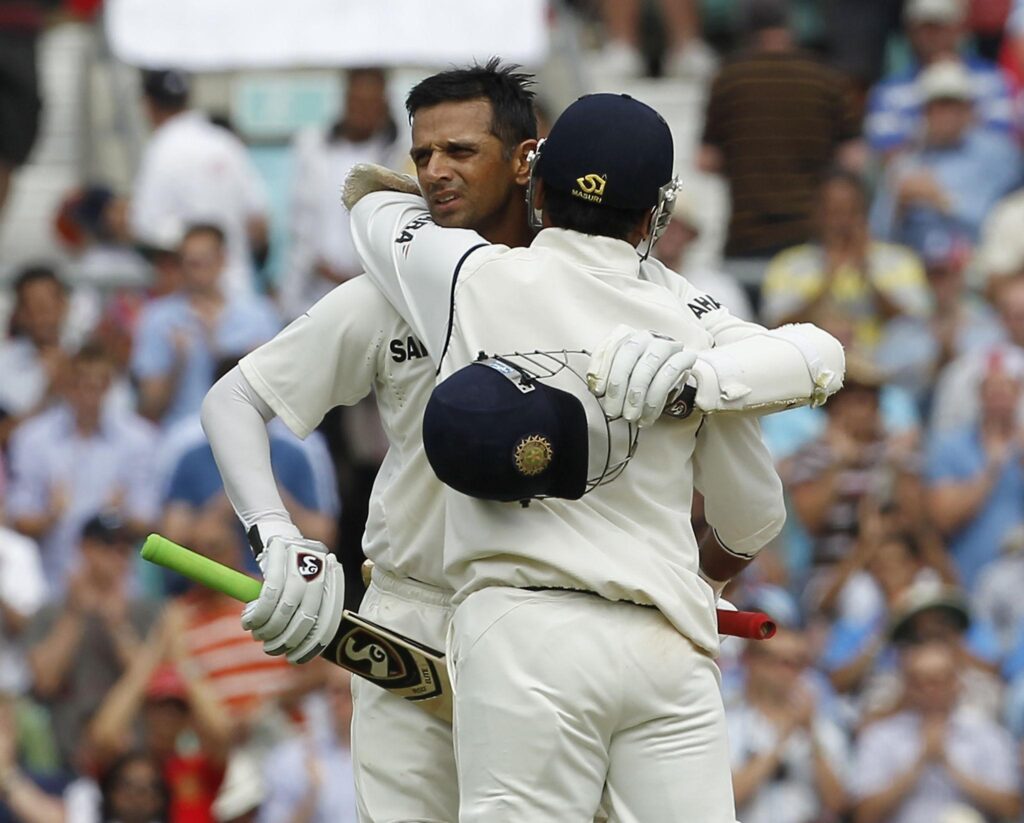
The Twist: In the second innings, VVS Laxman (281) and Rahul Dravid (180) batted for an entire day without getting out. India declared at 657/7.
-
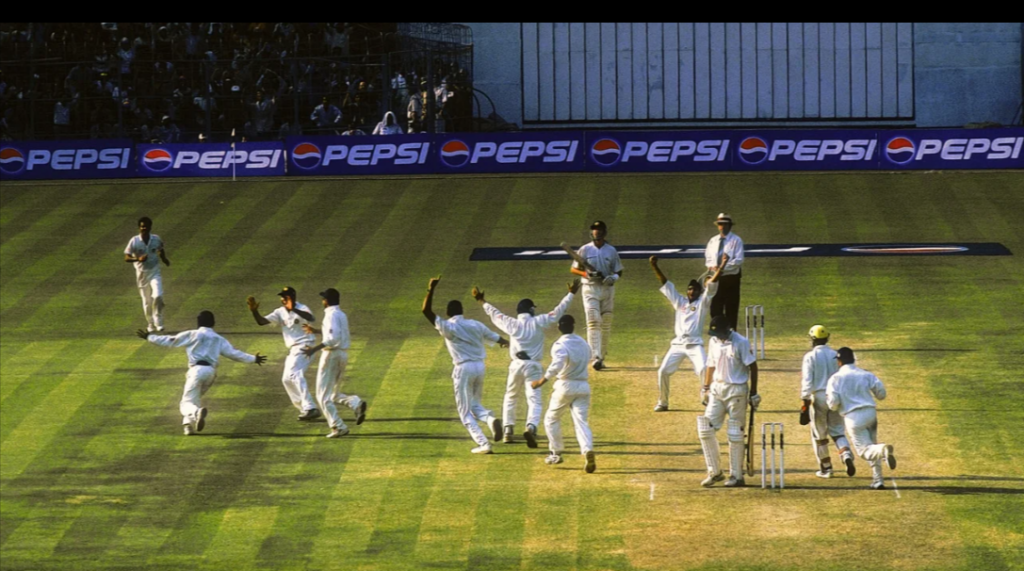
The Result: Suddenly, Australia had to chase 384 runs to win on a dusty, spinning pitch on the final day. They collapsed, and India won the match.
It was only the third time in cricket history that a team won a match after being forced to follow on. It served as a warning to captains: Enforcing the follow-on can backfire.
Is Follow-On Common in Modern Test Cricket?
The follow-on is less common today compared to earlier eras. With:
-
Heavy match schedules
-
Emphasis on fast bowler rotation
-
Flat pitches in many countries
Captains often prefer to bat again, set a huge target, and then bowl with fresh energy.
However, follow-ons are still enforced when:
-
The opposition collapses cheaply
-
Conditions heavily favor bowlers
-
Time is limited in the match
Follow-On vs Batting Again: Which Is Better?
There is no one-size-fits-all answer.
| Scenario | Better Option |
|---|---|
| Bowlers fresh, pitch lively | Enforce follow-on |
| Long match remaining | Bat again |
| Rain-affected Test | Enforce follow-on |
| Flat pitch | Bat again |
The decision depends entirely on match context.
About The Author