Kartik Sharma & Prashant Veer: Surprise Millionaires of IPL 2026 Auction
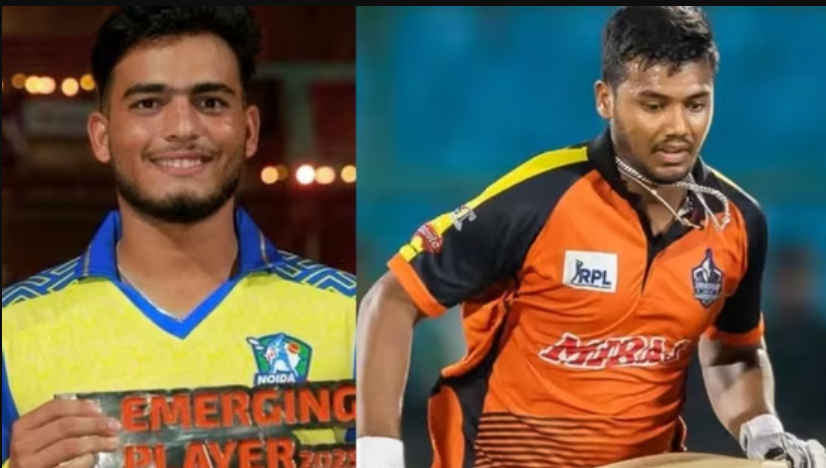
Kartik Sharma and Prashant Veer emerged as two of the most talked‑about uncapped Indian cricketers at the IPL 2026 auction, turning heads with their high bids and the strong faith shown in them by franchises. Their stories reflect a growing trend in the IPL where franchises are willing to invest heavily in raw domestic talent, especially those who have impressed in the Syed Mushtaq Ali Trophy, Vijay Hazare Trophy, and age‑group cricket.
Who is Kartik Sharma?
Kartik Sharma is an uncapped Indian batting all‑rounder who built his reputation through consistent performances in India’s domestic circuit and age‑group tournaments. A left‑handed batter who can contribute with part‑time bowling, he offers the kind of flexibility modern T20 teams crave – someone who can bat in the middle order, accelerate in the slog overs, and chip in with a few overs if required. In the lead‑up to the auction, Kartik was already on the radar of several scouts due to his strike‑rate in domestic T20s and his ability to handle pressure situations.
At the IPL 2026 auction, Kartik Sharma became one of the biggest stories of the day when Chennai Super Kings went hard for him and eventually secured his services for a massive ₹14.20 crore. This made him one of the most expensive uncapped Indian players of the auction and among the top five overall buys. For a player without international experience, such a price tag signals both the scarcity of Indian middle‑order power‑hitters and the confidence CSK have in his potential. The franchise, known for backing youngsters who fit into their system, clearly see Kartik as a long‑term project who can be groomed around senior pros.
From a skill‑set perspective, Kartik’s batting is built on clean ball‑striking, particularly against spin, which is a key trait in IPL conditions. Reports around the auction highlighted his ability to hit through the line, rotate strike in the middle overs, and finish innings with a high boundary percentage – exactly the blueprint franchises seek in an Indian middle‑order batter. His part‑time bowling is an added bonus, giving captains an extra option if a main bowler has an off day or if match‑ups demand a change in pace.
Who is Prashant Veer?
Prashant Veer is another uncapped Indian cricketer who entered the IPL 2026 auction as a highly rated domestic prospect after a strong run in domestic T20s and List‑A cricket. While he does not yet have the star profile of some India A regulars, his name had been circulating among scouts and analysts as a future IPL‑ready talent due to his aggressive batting approach and temperament under pressure. Prashant’s performances in domestic tournaments, where he showcased the ability to change games in quick bursts, helped him gain traction ahead of the auction.
In the IPL 2026 auction, Prashant Veer attracted a strong bidding war that pushed his price into the upper band for uncapped Indian players. While his final figure did not quite reach Kartik Sharma’s ₹14.20 crore, he was still among the more expensive Indian signings of the day, underlining the value franchises place on explosive local talent. The exact franchise that secured him is highlighted in post‑auction lists of notable buys, grouped with the other high‑profile Indian youngsters. His price bracket signals that he is not just a squad filler but someone expected to push for a place in the playing XI.
Prashant’s role profile leans towards that of an attacking batter who can slot into the top or middle order depending on team requirements. In domestic cricket, he has shown the ability to dominate both pace and spin, an essential trait for the IPL where match‑ups and specific roles often decide selection. His fearless style, combined with a willingness to take on bowlers from the start, makes him a natural fit for the impact‑player era, where teams need players who can influence games in short bursts.
Why were they such big bids?
The high prices for Kartik Sharma and Prashant Veer must be understood in the context of the modern IPL auction dynamics. Franchises have a limited pool of quality Indian batters who can play high‑impact roles, especially in the middle order, and this scarcity often drives prices up for promising uncapped players. Teams now invest heavily in scouting and data, and both Kartik and Prashant emerged as players whose underlying numbers – strike‑rates, boundary percentages, and performances under pressure – aligned well with the roles teams needed to fill.
The 2026 auction also came with an increased salary cap, giving teams more money to spend and encouraging aggressive bidding for players who could solve key tactical problems. In this environment, uncapped Indians who can offer flexibility and power naturally become hot commodities. Kartik’s ability to bat in multiple positions and chip in with the ball, combined with Prashant’s explosive batting profile, made them ideal investments in a league where teams are constantly hunting for domestic match‑winners.
What their signings mean for IPL 2026
For Chennai Super Kings, landing Kartik Sharma for ₹14.20 crore suggests that they view him as more than just a bench option. CSK have a long‑standing reputation for identifying and backing players who fit their culture, and such a heavy investment hints at a clear plan to integrate him into their batting core over the next few seasons. Fans can expect him to be given opportunities either as a middle‑order stabiliser who can finish games or as a flexible floater used according to match‑ups.
For the franchise that signed Prashant Veer, his acquisition adds a fresh, attacking dimension to their batting unit. Uncapped players often shape the balance of an IPL XI because they free up overseas slots for specialist roles, and a domestic batter who can score quickly allows teams to stack their bowling with overseas options if needed. If Prashant adapts quickly to the league’s pressure, he could become one of the breakout stories of IPL 2026, much like past uncapped stars who transitioned into India contention through standout seasons.
Overall, the big money spent on Kartik Sharma and Prashant Veer underlines how the IPL has evolved into a platform where domestic talent is not just noticed but heavily rewarded when aligned with franchise strategy and data‑backed scouting. For both players, IPL 2026 offers a golden opportunity: justify the price tag, cement a long‑term spot, and potentially move into the national conversation with a strong season.
About The Author