DRS System in Cricket
The Decision Review System (DRS) is a technology-based process in cricket that allows players to challenge the on-field umpire’s decision. If a team believes an umpire has made an error (such as giving a batter “out” when they are safe, or “not out” when they are out), they can signal a “T” sign to request a review. The Third Umpire then uses technology like Ball-Tracking, Snickometer, and Hot Spot to determine if the on-field decision should be overturned.
Introduced in 2008, the system is designed to correct clear umpiring errors, not to replace the human element entirely. It is now a standard part of Test matches, ODIs, and T20 Internationals.
What Is the DRS System in Cricket?
The Decision Review System (DRS) is a technology-based system that allows players to challenge an on-field umpire’s decision. If a team feels an umpire has made a wrong call, they can request a review, and third umpires use advanced technology to recheck the decision.
DRS is mainly used for:
-
LBW (Leg Before Wicket) decisions
-
Caught behind (edges)
-
Fair catches and boundary decisions
The goal of DRS is not to undermine umpires, but to reduce clear and obvious errors.
How Does DRS Work? (Step-by-Step Process)
The process of a DRS review follows a strict protocol to ensure fairness and speed.
-
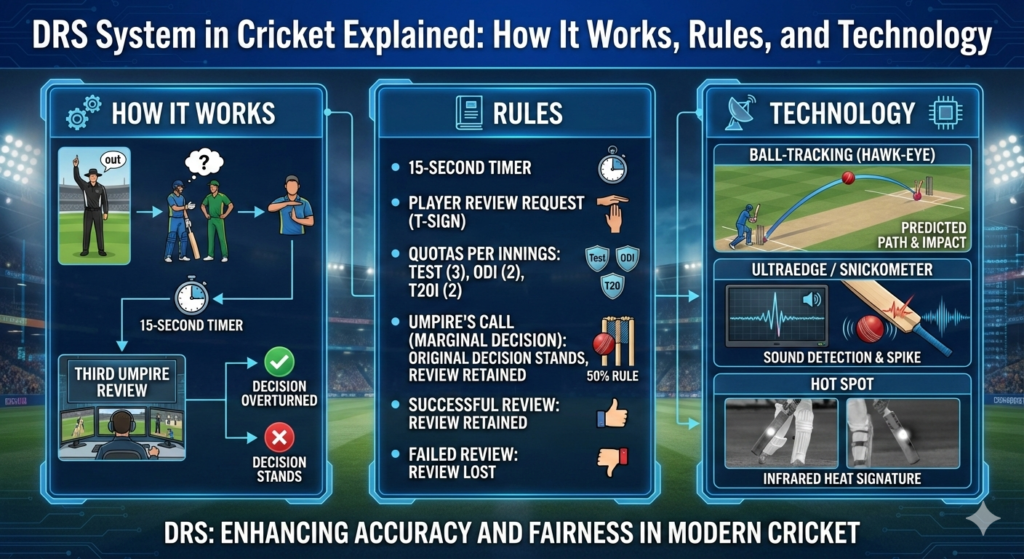
The Event: An umpire makes a decision (e.g., LBW, caught behind) that one team disagrees with.
-
The Timer: The captain of the fielding team or the batter involved has 15 seconds to decide whether to review.
-
The Signal: The player signals a “T” shape with their hands to the on-field umpire.
-
The Review: The on-field umpire contacts the Third Umpire (located in a studio), who reviews the TV replays and specialized technology.
-
The Verification:
-
Step 1: The Third Umpire checks if it was a legal delivery (no front-foot no-ball).
-
Step 2: They check for “wood” (bat contact) using UltraEdge or Hot Spot.
-
Step 3: For LBW calls, they use Ball-Tracking to check where the ball pitched, where it hit the pad, and if it was hitting the stumps.
-
-
The Final Decision: The Third Umpire relays the findings to the on-field umpire, who either stays with their original call or reverses it.
Key Components of DRS Technology
The Third Umpire relies on three main pieces of technology to make an accurate judgment.
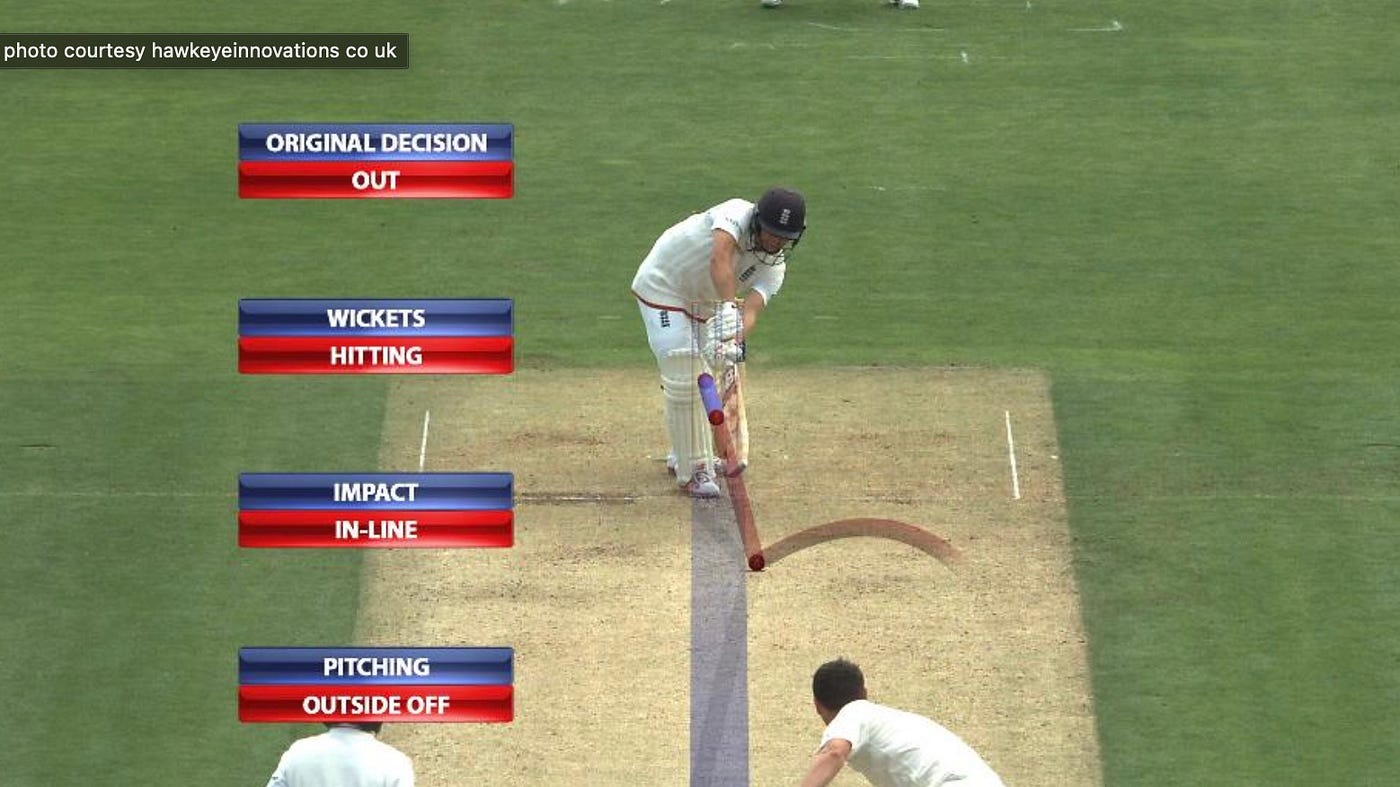
1. Ball-Tracking (Hawk-Eye)
This is the most recognizable part of DRS, primarily used for Leg Before Wicket (LBW) decisions. Six cameras track the ball from the bowler’s hand to the point of impact. The computer then “predicts” the ball’s path to see if it would have hit the stumps.
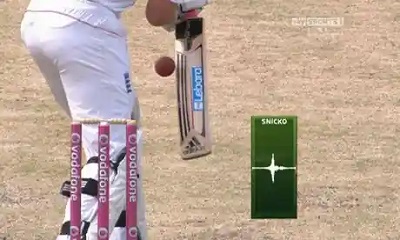
2. UltraEdge / Snickometer
This technology detects sound. A directional microphone on the stumps picks up audio while a camera records video. If a “spike” appears on the sound wave exactly when the ball passes the bat, it confirms an edge (caught behind).
3. Hot Spot
Hot Spot uses infrared cameras to detect heat signatures. When the ball hits the bat or pad, the friction creates a tiny amount of heat, which shows up as a bright white spot on the camera. It is often used to verify faint edges or glove contact.
What is “Umpire’s Call”?
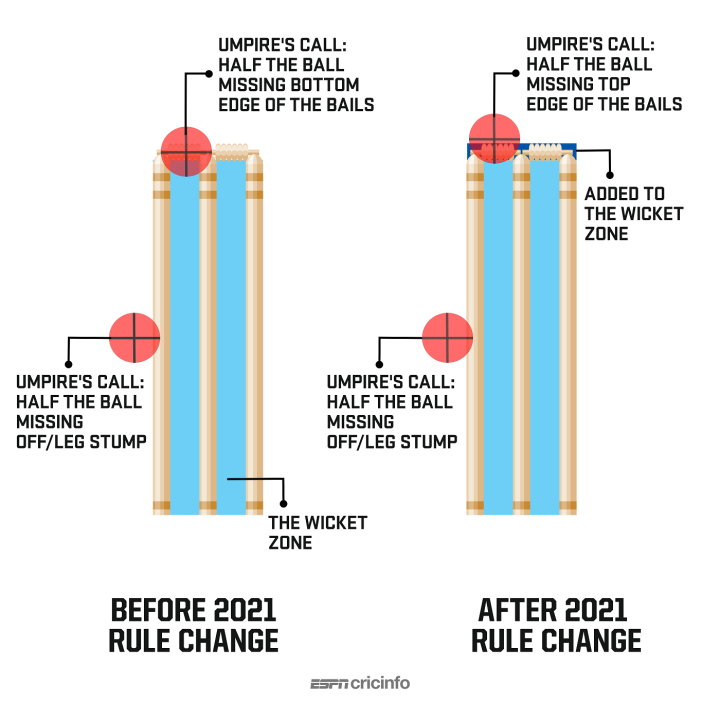
“Umpire’s Call” is the most debated rule in DRS. It applies during LBW reviews when the technology shows the ball is only marginally hitting the stumps.
-
The Logic: Ball-tracking is a prediction, not a certainty. There is a small margin of error in projecting the path.
-
The Rule: If less than 50% of the ball is predicted to hit the stumps, the technology gives the benefit of the doubt to the original on-field decision.
-
The Outcome: If the screen says “Umpire’s Call,” the original decision stands. Importantly, the reviewing team retains their review (they don’t lose it) because they weren’t technically wrong, just not “conclusively” right.
What Decisions Can Be Reviewed?
DRS can be used for:
-
LBW decisions (Out or Not Out)
-
Caught behind decisions
-
Bat-pad catches
-
Boundary and six-fours checks (umpire-initiated)
However, decisions like wides and no-balls (except height no-balls in some tournaments) usually cannot be reviewed by players
Advantages of the DRS System
The DRS system has brought several positives to the game:
-
Increased fairness and accuracy
-
Reduced umpiring errors
-
Greater confidence among players
-
Better viewing experience for fans
Close calls that once decided matches unfairly are now more transparent.
Criticism and Limitations of DRS
Despite its benefits, DRS is not perfect.
Common criticisms include:
-
Confusion around Umpire’s Call
-
Inconsistent technology availability across venues
-
Cost issues for smaller cricket boards
-
Occasional delays affecting match flow
Still, most players and experts agree that cricket is better with DRS than without it.
Why Was DRS Introduced?
Before DRS, a single bad decision could change the outcome of a match/series. The International Cricket Council (ICC) introduced the system to:
-
Eliminate the “howler” (obvious umpiring mistakes).
-
Ensure fairness in high-stakes matches.
-
Use modern technology to support the increasingly difficult job of on-field umpires.
Current DRS Rules and Quotas (2026 Update)
Teams do not have unlimited reviews; they must use them wisely. As of the latest ICC playing conditions, the quotas are:
-
Test Matches: 3 reviews per team, per innings.
-
One Day Internationals (ODIs): 2 reviews per team, per innings.
-
T20 Internationals: 2 reviews per team, per innings.
Note: If a review is successful (the decision is overturned), the team keeps the review. If the result is “Umpire’s Call,” the team also keeps the review. The review is only lost if the challenge is outright failed.
About The Author